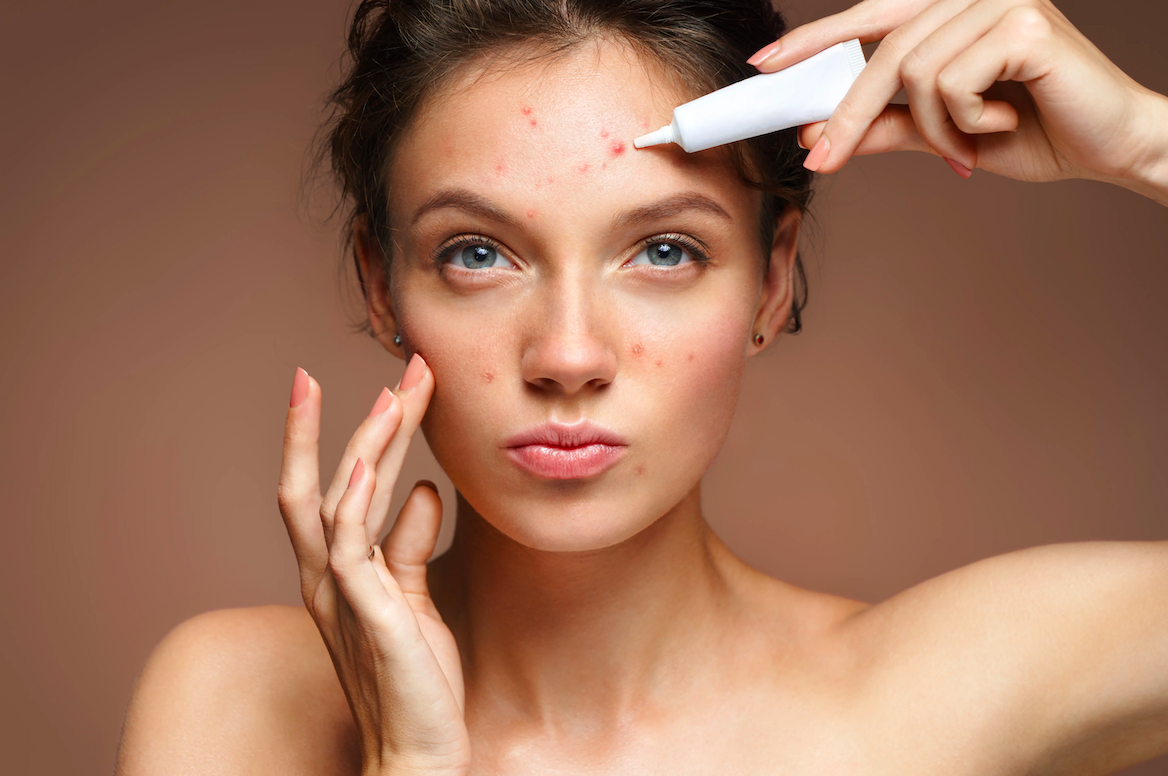
Got any persistent, rough dry spots on your face? Have you ever lotioned up a spot that just won’t go away or noticed that your make up catches a dry patch on your face? You might think it’s just dry skin or maybe it’s a rash. Well, you might have something more serious going on. That stubborn dry spot might be what we call an actinic keratosis.
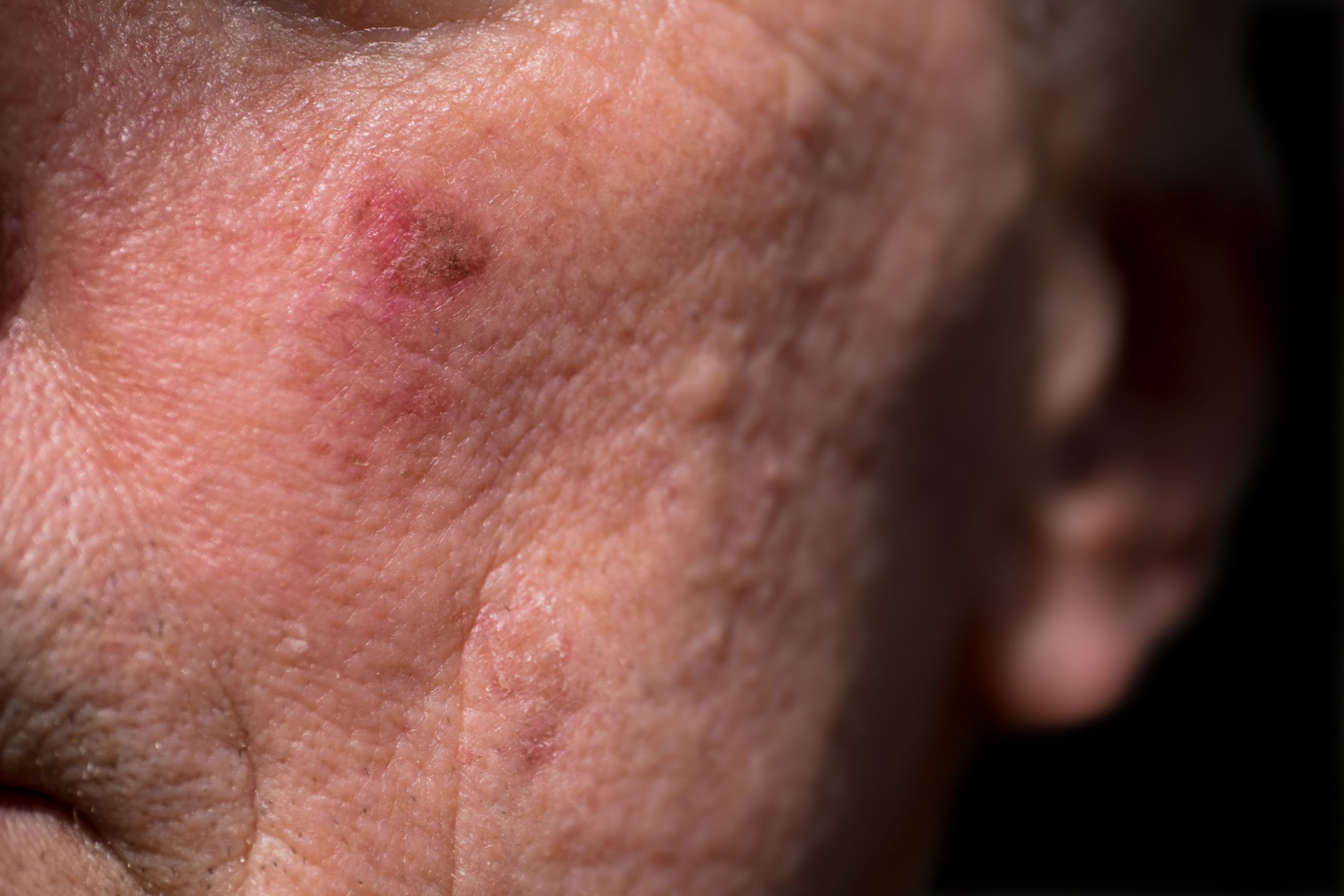
Actinic keratosis (AK), isn’t really a household name, but it is one of the most common diagnoses we treat as dermatologists. AKs, also referred to as precancerous lesions, typically present on the sun exposed areas of the body, such as the face, chest, arms and hands. They can resemble dry skin and if there are several present, they are often mistaken for a rash like eczema. AKs do present like dry patches, but the scale is often adherent and the spots tend to be more discrete or individual in nature. Because of their texture, you can often feel an AK before you see it. If you’re patient of mine, that is the reason why I am feeling your face, ears, chest and arms as a part of your skin exam.
Some AKs can develop a thick crust and are often called hypertrophic. AKs can burn, itch or even bleed and often look pink or white but they can also be shades of brown or tan, what we call a pigmented AK. Typically, AKs present later in life with up to 80%of adults over age 60 affected. However, now I am seeing them in younger patients. In particular, women in their late 30s and 40s, often with a history of tanning or extensive sun exposure in their teens and twenties, are coming in with these pesky lesions. What’s more, is that the AKs you can feel and/or see, are only the tip of the iceberg. If you have AKs that you can actually appreciate then it’s a pretty safe bet that you likely have sun damage in the surrounding area or below the skin too. So think of AKs like a barometer of sun damage overall. Yikes!
So what’s the big deal, you ask? Actinic keratoses are precancerous, meaning they have potential to develop into skin cancer. If they transition, AKs most often develop into squamous cell carcinoma (SCC) but they can also turn into basal cell carcinoma (BCC). The risk of an individual AK turning into SCC varies in the literature but is noted to range from 0.025%-16% and 0.03–20% depending on the source. Risk factors for getting AKs include chronic sun exposure, tanning bed use, older age, fair skin types, prolonged immunosuppression and previous history of AKs. What’s more, just having AKs is a risk factor to develop skin cancer anywhere on the body.
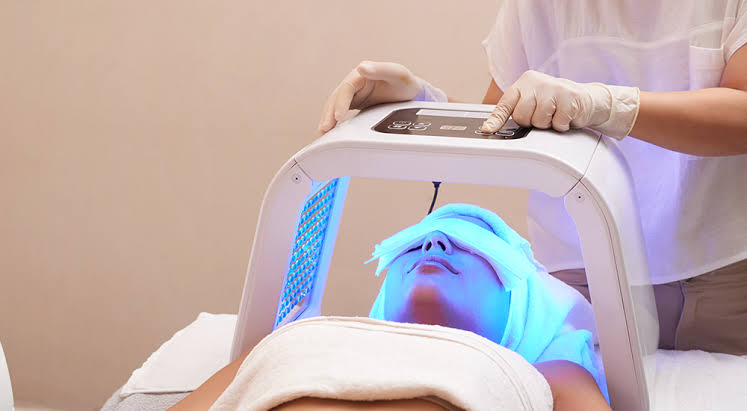
The good news is that we can treat AKs to prevent skin cancer. The bad news—AKs are chronic. This means we don’t cure AKs. New AK lesions can form and old ones can recur. The goal is to develop a treatment plan to keep AKs in check. Treatment strategies include cryotherapy (freezing with liquid nitrogen), topical creams like 5-fluouracil, imiquimod, diclofenac sodium and tirbanibulin. Another treatment option is photodynamic therapy, which uses a light sensitizer and a device with either blue or red light, to destroy your AKs. Chemical peels, curettage and electrodessication (scraping and burning), laser and even intense pulsed light (IPL) are other options to treat AKs. Sunscreen is also a part of an AK treatment approach along with other sun protection measures. When deciding on a plan, treatments are often combined and personalized for the patient to get the best results. Remember, since actinic keratoses are chronic, treatment is an ongoing process that can be tweaked based on how an individual’s AKs present.
Trotter’s Take: AKs are often ignored and treating them can have a profound impact on a patient’s quality of life and reduce their risk of developing skin cancer.
Want to hear more about actinic keratoses and treatment? Then listen to Dr. Neal Bhatia as he tackles actinic keratoses and gives them the household recognition they deserve.