
Have you ever had a patient come in with a sunburn and you immediately ask, “Did you wear your sunscreen?” As dermatologists we might pontificate about sunscreen, even if the patient says, “Yes.” When someone says they used their sunscreen right—used enough, chose SPF of at least 50, broad spectrum and reapplied consistently and still burns, how many times have you doubted them—was it still user error or they’re just telling me what I want to hear? What if I told you there might be another reason?
You hear a lot about ultraviolet light (UV), especially UVA and UVB rays and the talk centers on educating the public surrounding their dangers. Sunscreen conversations hone in on SPF, broad spectrum and UV protection, but we often forget that sunlight is a spectrum. Solar visible light, another key player, makes up a substantial portion of the light that reaches our skin as well. In fact, visible light makes up about 50% of the light from the sun that reaches the earth’s surface.
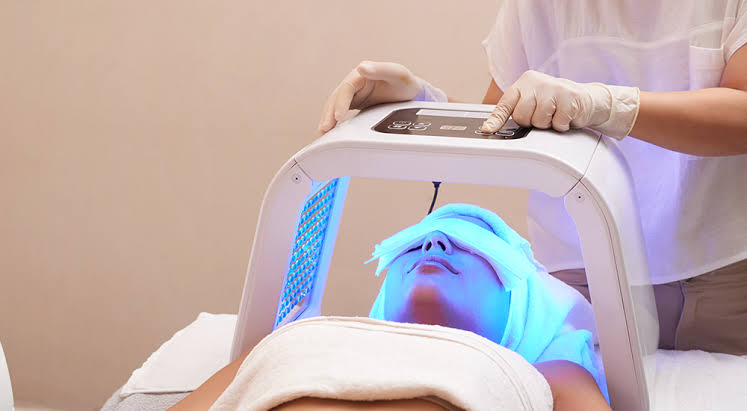
Think of visible light as the forgotten wavelength. Or the one hidden in plain sight—yes, a pun for all you pun-lovers like me out there. It’s different from UVB and UVA. Visible light is just that—the light we can see. Ranging in wavelengths from about 380 to 750 nanometers, visible light consists of the colors of the rainbow that make up the beautiful world around us. While visible light from the sun makes up a small portion of the electromagnetic spectrum, its impact on skin is greater than we think. You may have also heard the term, high energy visible light (HEVIS light, HEV light, or HEVL). HEVIS light refers to the blue/violet bands of visible light and has a particularly high energy. Not only do we get HEVL from the sun, but our devices, like the phone you’re holding right now, are also a source.
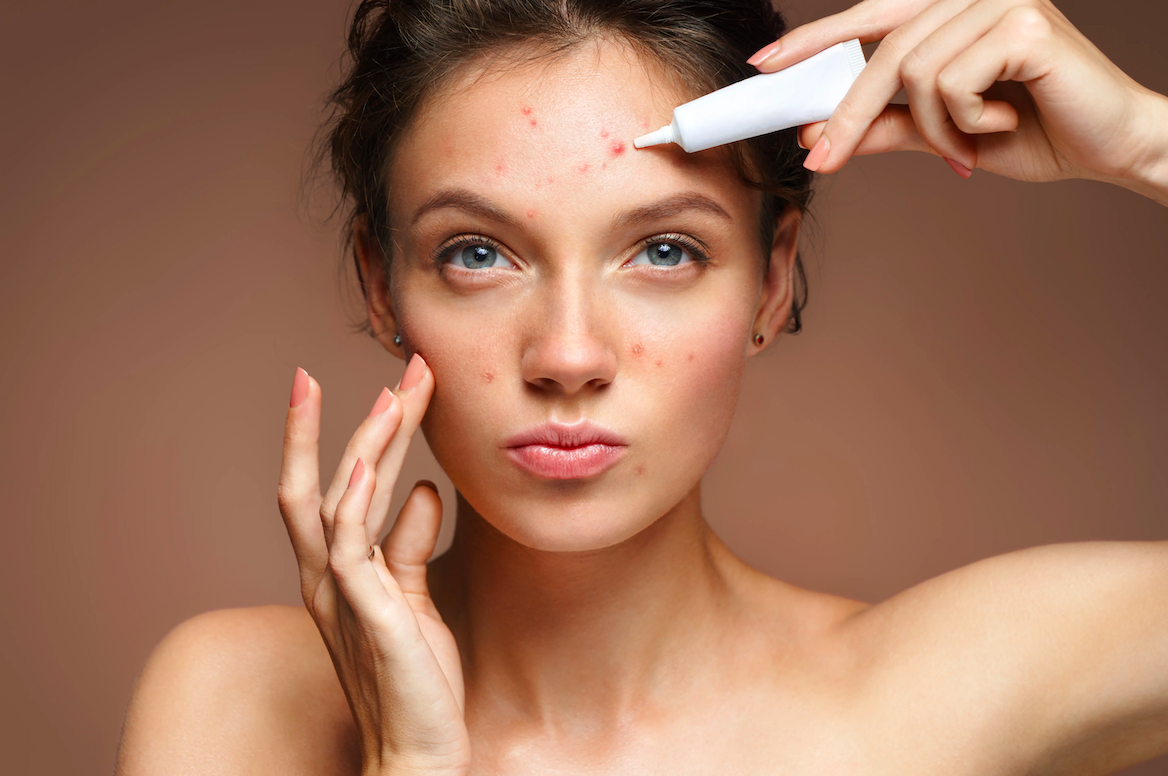
Visible light from the sun can penetrate the skin and interact with cellular pathways. Visible light can cause hyperpigmentation and is known to stimulate pigment production or melanogenesis, especially in skin of color or those who suffer from melasma or dark spots from old acne lesions. Visible light also can cause the formation of free radicals that break down collagen and elastin. And something that might surprise you—visible light can penetrate skin into the second layer or the dermis, causing cellular aging and inflammation.
Besides solar visible light, we also get exposure through our devices like the blue light from your phone or computer. There is increasing evidence blue light from devices may also cause pigmentation and inflammation but they are unlikely to be a major contributor. However, if you spend most of your day in front of a device, it’s not a bad idea to protect your skin with a tinted sunscreen. As for the eyes—why the blue light glasses? Blue light glasses are recommended to reduce eye strain, prevent eye fatigue and also help with sleep. Random fact—blue light can suppress melatonin and interfere with our circadian rhythm. Another reason for no devices in the bedroom!
The real problem is that we haven’t done a good job protecting ourselves from visible light from the sun. SPF focuses on UVB protection and broad spectrum might infer protection across the spectrum but it only references UVA and doesn’t tackle visible light. Tinted sunscreens, which contain iron oxides or pigmentary titanium dioxide, are our best solution for now but there’s room for improvement. As technology advances, so will our ability to protect more effectively against solar visible light.
So, the next time you have a patient come in with a sunburn and they insist they did everything right—instead of assuming they didn’t—consider visible light as the culprit.
Trotter’s Take: Visible light is a forgotten major contributor to hyperpigmentation and skin damage and advancements in visible light protection will enhance our ability to offer comprehensive sun protection.
Want to see why visible light is the wavelength you’ve been missing? Then check out my podcast with Dr. George Martin who will open your eyes to visible light and its impact on the skin.