Hats Off to Cold Cap Therapy for Chemotherapy-Induced Hair Loss
Hair loss is something we see on the regular now in dermatology and has become a global multibillion-dollar industry. Back in training, hair loss was often a tough visit, one that many of us dreaded, partially due to a lack of effective options to treat but also because of the emotional toll it took on patients. Today, hair loss is gaining some respect and a major reason for visits to the dermatologist. But some healthcare providers avoid addressing hair loss because of other health issues that are more emergent like uncontrolled diabetes or blood pressure. Whether intentional or not, many practitioners dismiss hair loss and push it down the medical totem pole.
You might be thinking, surely someone would be bothered more by their blood pressure going up and the possibility of a stroke over losing their hair, right? Um…WRONG. I’m willing to bet that if you lowered your patient’s blood pressure by 10 points, they’d be grateful but if you got them to grow their hair back, they’d love you for life. This reality shows how we often underestimate the impact of hair loss on patients. For most people, hair loss is utterly devastating. And while treatments have advanced, the emotional burden has not changed.
What’s fascinating is how our hair has significant cultural, religious and implications. For example, in the Sikhs faith, hair is not simply a physical attribute. It is considered a sacred gift from God and many practicing Sikhs do not cut their hair, as part of their religious commitment to maintain the body in the form in which it was created. In Orthodox Judaism, hair, particularly for women, is closely linked to modesty and spiritual duty. Hair is viewed as sensual and married women often cover their hair in public with scarves, hats, or wigs. In Islam, hair is a sign of cleanliness, identity and modesty while in Hinduism hair represents devotion. For many African cultures, hairstyles are historical markers of tribal as well as social and marital status. Styling techniques like braiding or coiling show connection to heritage and were even used during slavery to communicate escape routes or other coded messages.
With hair having such a profound impact on our identity with social and cultural value, it’s no wonder how hair loss negatively affects both women and men. But can you imagine being diagnosed with cancer, grappling with the complexity of next steps, treatment decisions and an unknown future, and then hit with the reality of losing your hair? While to some this seems insignificant, it is often one of the most devastating side effects of cancer treatment.
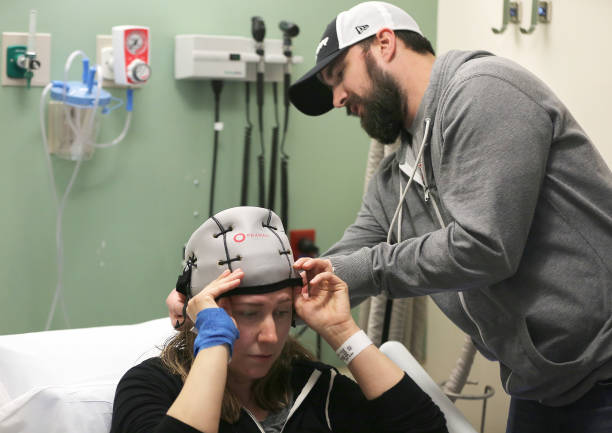
Luckily, there is an option with cold cap therapy, which focuses on preventing hair loss associated with chemotherapy. Chemotherapy targets rapidly dividing cells in the body, good for cancer, but bad for other cell types, like hair follicle keratinocytes, which are also proliferating at a quicker rate. Known as anagen effluvium, chemotherapy-related hair loss starts about 2-4 weeks after treatment and typically regrows back three to six months after treatment stops. But instead of waiting for hair loss to start, cold cap therapy gets ahead of the game and can potentially prevent hair loss. Indicated for solid tumors only with certain treatment regiments, cold cap therapy works by cooling the scalp and causing vasoconstriction, which minimizes exposure of the hair follicle to chemotherapy. Currently, there are three FDA approved cooling cap systems approved in the US and several cancer centers offer them as a part of treatment for patients.
Overall, hair loss is one of the most visible and emotionally challenging side effects of chemotherapy. For many patients, preserving their hair can help maintain confidence, privacy and a sense of normalcy during treatment.
Trotter’s Take: Cold cap therapy is a powerful preventative tool for chemotherapy-related hair loss.
Continue the conversation by listening to my podcast with Dr. Tiffany Pompa where we break down cold cap therapy and discuss how it is changing the patient experience.