Imagine taking a picture of a suspicious mole, uploading it into an app and receiving an answer in seconds. No appointment, no waiting room no white coat. Sounds convenient, right? But is it accurate and more importantly, is it good medicine? If you look on the app store right now, you will see several apps claiming to do just that—diagnose your mole or identify suspicious lesions. They come with a host of disclaimers and also a lack of clinical studies illustrating their validity. But the concept is real and closer to fruition than you think.
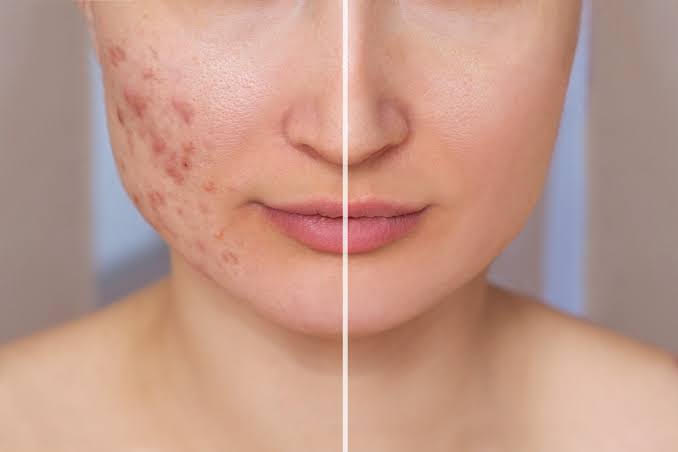
Artificial intelligence (AI) has rapidly moved from science fiction into everyday healthcare. Dermatology is particularly attractive for AI because so much of our specialty involves visual recognition. Consumers increasingly encounter AI through skincare apps, symptom checkers, search engines and chatbots. The question is, just because AI can recognize a skin condition, does that mean it can diagnose or treat it? Well, if you live in Utah, it does. Utah’s Office of Artificial Intelligence Policy is piloting an AI platform to evaluate acne and prescribe topical medication for adults in the state. Sounds attractive and relatively harmless, right? However, there are a lot of concerns with such a platform, like what is the data behind the system and how was it validated? Were a variety of skin tones included? And since we have removed the provider from the equation—who is liable? The partnering healthcare system or developer of the AI software? Not to mention that the plan to reduce or eliminate physician oversight is very troubling.
Even though the Utah AI acne program isn’t sitting well with me and several skeptics, I don’t think it’s a reason to dismiss AI altogether. I am not an AI hater. In fact, I love AI and its potential to improve dermatology. First, it can help streamline administrative tasks. With technology so intimately integrated into medicine, our time is often spent charting or trying to get medications or procedures approved, often at the expense of spending direct one-on-one care with patients. AI can streamline those tasks and allow providers to focus more on direct patient care.
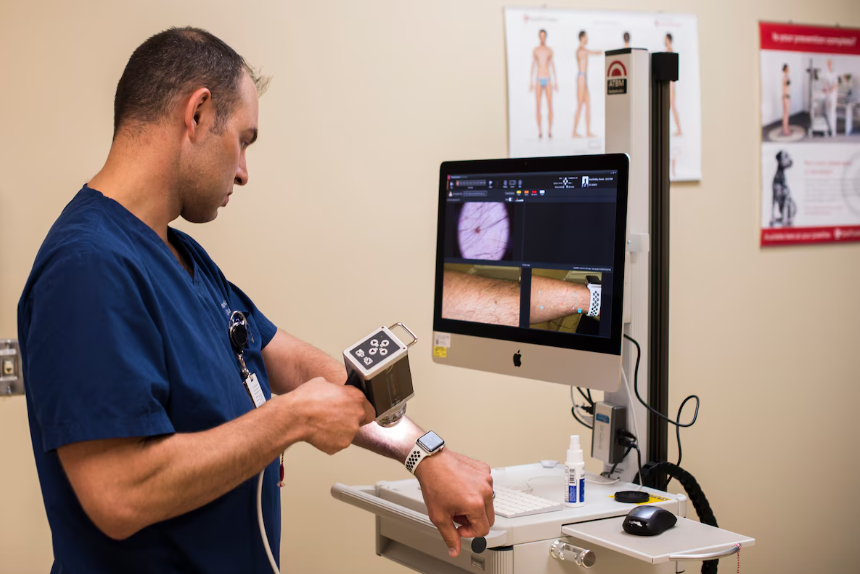
In addition to scheduling and other administrative tasks, AI could improve our ability to diagnose skin cancer. The challenge is to ensure that algorithms are trained well with a variety of images and on different skin tones. AI offers an advantage in that it can recognize visual patterns associated with melanoma and other skin cancers. It can help support clinical decision making to biopsy and help prioritize referrals. In addition, AI can help with improving access to care. AI tools can help triage patients, support teledermatology and extend outreach to underserved rural communities. There’s also a host of image analysis for inflammatory conditions like psoriasis, atopic dermatitis and hair loss. AI could also assist with developing more consistent metrics or tools for clinical trials, tracking disease severity, treatment response and predicting flares. Now that’s powerful.
AI has challenges like the quality of training sets and representation across skin tones as well as clinical studies to validate their utility and workflow implementation. And of course there’s the hallucinations. Yes, AI can hallucinate, where a system confidently provides information that is inaccurate or completely fabricated. In dermatology, this could mean AI inventing a medical study or confidently identifying a suspicious lesion as harmless. The problem? AI doesn’t always know when it’s wrong and you might not realize it either. Scary!
No doubt, artificial intelligence is an incredible tool to change how we detect skin cancer, manage chronic skin conditions and deliver dermatologic care. But while algorithms are getting smarter, they aren’t a substitute for clinical judgement, experience or the human connection that defines quality medicine. The future of dermatology shouldn’t be about choosing between artificial intelligence and your dermatologists. It should be about combining the best of both to deliver safer, smarter and more personalized care.
Trotter’s Take: The greatest gift AI may offer us is the opportunity to give time back to our patients for better care.
Don’t ask ChatGPT and Claude about AI and dermatology. Listen in on my podcast with Dr. Fara Kamangar, as she explains AI’s role in dermatology now and into the future.